
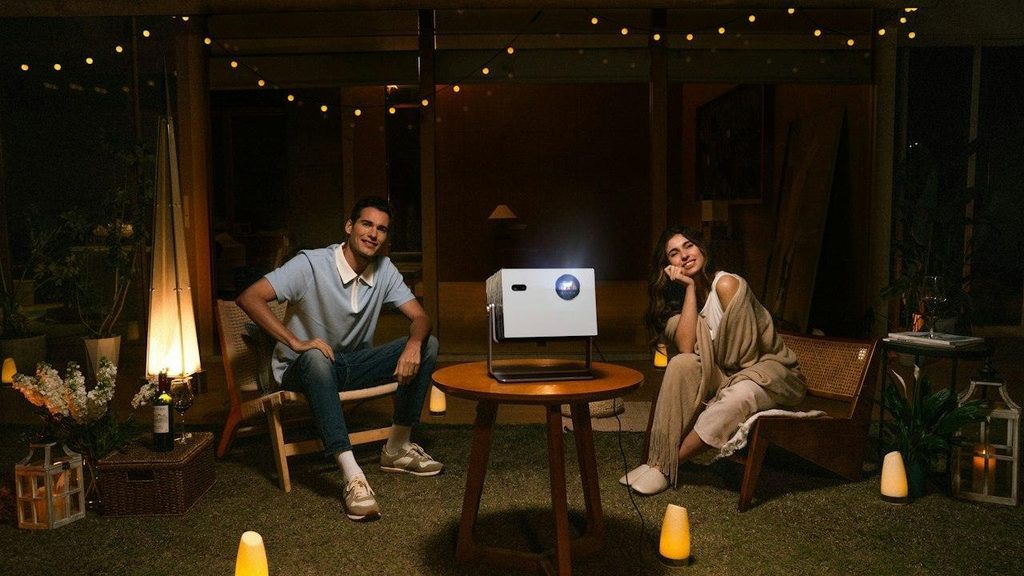
A family movie night does not need to be expensive or elaborate to become a favorite ritual. What matters is that everyone can settle in, understand the dialogue, and enjoy a story together without repeated interruptions. A little attention to seating, age-appropriate choices, lighting, and simple equipment can turn a familiar evening into something people look forward to.
Give the tradition a predictable time
Choose a weekend slot that does not compete with homework, late meals, or early plans the next morning. Let family members suggest films in advance and agree on an age-appropriate selection together. A small rotation of who chooses can avoid arguments and make the ritual feel inclusive. Keep the format flexible enough for guests or a child who needs an earlier bedtime.
Keep the logistics uncomplicated. Locate a safe power supply, cover or route cables away from feet, and decide where the remote will be kept. Test streaming access, playback rights, Wi-Fi, and backup connections before guests arrive. A system that works beautifully during a ten-minute technical rehearsal is far less likely to turn into an unwanted interruption in the middle of a gathering.
Make the picture comfortable to share
The largest possible image is not necessarily right for every member of the family. Place cushions and chairs where children and adults can see without straining their necks. If comparing a RGB triple laser home theater projector, focus on accurate color and practical setup as well as marketing numbers. The projection distance, screen, and ambient conditions all affect what viewers actually see.
Think about the weather and surface beneath each piece of equipment. A projector should not be left exposed to rain, dew, or unsteady furniture; a screen needs secure anchoring against breeze. Even indoor arrangements benefit from thoughtful ventilation. Prepare a sensible alternative if conditions change. Guests will forgive a change of plans much more readily than an unsafe electrical setup.
Consider indoor and outdoor versions
A rainy weekend may call for a living-room setup, while a warm evening can be an excuse to gather in the yard. An outdoor movie screen needs a stable support and safe space around it. Check the weather and wait for suitable darkness; no ordinary projection surface makes midday outdoor viewing equivalent to an indoor theater. Keep a simple indoor alternative ready.
Set the event schedule around people rather than equipment. Include enough time for everyone to arrive, find a seat, and get comfortable, then start at a predictable hour. For a long film, mention the runtime and whether there will be a break. Keep snacks away from electronic equipment and allow people to leave without stepping into the beam or disturbing the whole group.
Build a welcoming snack routine
A tray of popcorn, fruit, and water is enough. Put food where people can reach it without crossing the image, and keep drinks away from the projector and outlets. If children help prepare snacks, involve them in choosing portions and cleaning up afterward. This small shared task can matter more to the family memory than any elaborate decoration.
Before buying equipment, test the proposed screen size with tape or a temporary sheet. Sit in each normal viewing position, including the far edge of the gathering area. Small captions and subtitles should remain readable without a strained posture. The most dramatic picture size is not always the most comfortable. A modest adjustment to seating or image height can make the evening more enjoyable for everyone.
Make sound clear for every generation
Grandparents, young children, and guests may have different listening needs. Use subtitles when useful, test speech clarity from the far seat, and avoid setting the volume solely for dramatic sound effects. Sofas, rugs, and curtains can make an indoor room less echoing. A comfortable soundtrack allows people to follow the story without constant adjustment.
Check the entire throw geometry using the exact projector instructions. Long-throw devices need a suitable distance to form the intended image; the mount must remain stable and the beam free from obstacles. Move through the space as people will during the event. If everyone is likely to cross the projection path to reach food or a doorway, revise the layout rather than hoping they remember to duck.
Let the room stay safe and relaxed
Tuck cables against a wall instead of across an entryway. Keep the remote within easy reach and a soft light available for trips to the kitchen. If younger children are present, make sure they cannot touch a moving screen or hot equipment. Safety arrangements should be quiet and practical, not a long list of instructions that makes the evening feel formal.
Screen surfaces are not interchangeable. A portable fabric screen may offer convenient transport, while a tensioned or fixed surface can provide a flatter picture. Directional ambient-light-rejecting materials must be matched with the correct projection geometry. Check where the light will come from and where viewers will sit. Screens that perform well indoors may require different mounting precautions outdoors.
End with conversation, not another task
After the film, ask what moment everyone liked or what surprised them. No one needs a detailed review; a few spontaneous comments can turn screen time into shared experience. Put equipment away in a familiar place, and let another family member choose next week’s film. A simple repeatable routine is more likely to become a tradition than an ambitious one-off event.
Plan for sound that can be understood rather than simply heard. Dialogue becomes difficult when speakers point away from the crowd or a room has too many reflective surfaces. Outdoors, sound disperses and neighbors may hear it differently than viewers do. Walk to the edges of the listening area and test the soundtrack at a considerate volume before deciding that the arrangement is complete.
A simple plan that works
The equipment matters only to the extent that it supports an easy evening together. Choose a comfortable picture, protect dialogue clarity, keep the space safe, and give everyone a role in the ritual. The best part of family movie night is usually the company, not the specifications.

