
Self-cleaning litter boxes are sold as the end of scooping, and for many owners they deliver exactly that. Yet the gap between the showroom promise and the first month at home is wider than most reviews admit. Sensors misfire, cats refuse to cooperate, and a machine that seemed effortless in a demo turns into a source of mild anxiety. None of this means the category is broken, only that buyers deserve a clearer picture before they spend.
The best best self cleaning litter box is not the one with the most features. It is the one that matches your cat’s temperament, your floor plan, and your willingness to keep up a short maintenance routine. The details that matter rarely make it onto a spec sheet: how the machine behaves when a nervous cat hesitates, how loud it is at midnight, how easily the drawer slides out. This article pulls back the curtain on the parts of ownership that marketing tends to skip, so you can walk in with realistic expectations and a shortlist that actually works.
The Features That Matter More Than the Spec Sheet
Marketing materials love sensor counts and app integrations, but the features that shape daily life are quieter. A large waste drawer means fewer trips to the bin. A wide entry suits older cats and big breeds. A cycle delay that respects a cautious cat prevents the machine from moving while your pet is still near the drum. These are the details that decide whether you love the box or resent it.
Weight detection is the foundation. A good unit distinguishes a cat from a stray toy and pauses instantly if anything enters during a cycle. Cheaper sensors trigger on vibration, so a passing washing machine or a heavy-footed owner can start a false cycle. When comparing models, look for how the box confirms the cat has left before it moves, not just that something stepped in. That distinction separates a reliable machine from one that cycles at random and wastes litter.
Safety Systems You Should Not Compromise On
Safety is the one area where saving money is a bad trade. The drum or rake should stop the moment a cat is detected, and the entry should remain open if power is interrupted mid-cycle. A cat trapped inside a rotating drum is a genuine risk with poorly designed units, and no feature is worth that exposure. Reviews that ignore this point are not doing buyers any favors.
Look for a manual override and a clearly marked power switch. Ask how the box behaves after a power outage, since some models resume mid-cycle while others reset to a safe position. These questions rarely appear on a product page, but a quick check of the manual or a message to support will tell you what you need to know. A five-minute conversation before purchase can save real worry later.
Cleaning Routine: Short but Real
Self-cleaning does not mean self-maintaining. The drawer fills, the litter level drops, and the interior shell collects dust. A realistic routine looks like a weekly drawer empty, a top-up every few days, and a deeper wipe of the drum once a month. Models designed with removable parts and smooth interiors make that routine quick; sealed, awkward units turn it into a chore you start avoiding.
Litter choice matters here too. Clumping clay works best with most mechanisms, while lightweight or crystal litter can confuse sifting and cause jams. Stick to the type the manufacturer recommends for the first month, then experiment carefully once you understand the machine’s behavior. Most “broken” self-cleaning boxes are simply running on the wrong litter.
Getting Your Cat On Board Without a Fight
The single biggest reason a self-cleaning box gets returned is a cat that refuses to use it. The machine is unfamiliar, it moves, and it sounds different from the old tray. Owners who rush the introduction usually lose the battle before it starts. A few days of patience is the cheapest insurance you can buy against a wasted purchase.
The Transition That Actually Works
Set the new box beside the old one and leave it off for the first few days. Let your cat explore the empty drum, then add a scoop of used litter so the scent is familiar. Once your cat uses it with the machine off, run a single cycle while your cat is in another room. Repeat until the sound is boring rather than alarming, and let the cat’s pace set the timeline.
Do not remove the old box until the new one has been used reliably for at least a week. Some cats adapt in a day, others need two weeks; both are normal. If your cat is older or anxious, a lower entry and a quieter cycle setting can make the difference between acceptance and avoidance. Watching your cat’s body language tells you more than any manual.
Matching the Machine to Your Household
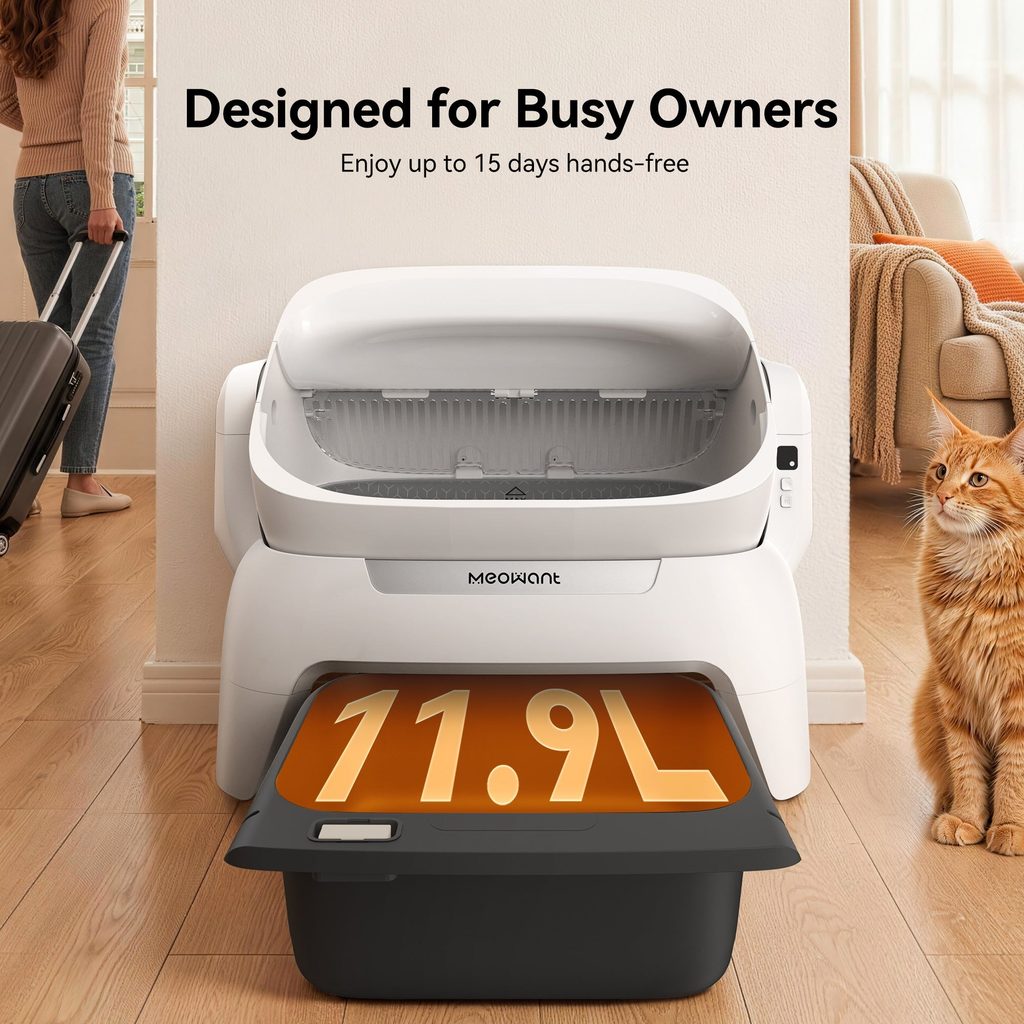
A self-cleaning box is not one-size-fits-all. Multi-cat homes need a larger drum and a bigger drawer, since the cycle runs far more often. Apartments with thin walls benefit from quiet motors and stable placement away from shared walls. Households with kittens or senior cats should prioritize low entries and gentle motion over app features they will never use.
Think about placement before purchase. The box needs a level, stable spot, ideally in a room with some privacy and away from food. A wobbling floor causes false triggers, and a cramped corner makes emptying the drawer awkward. Measure the space, including clearance for the drawer to slide out, before you commit to a footprint. A box that does not fit the room will never feel convenient no matter how good its sensors are.
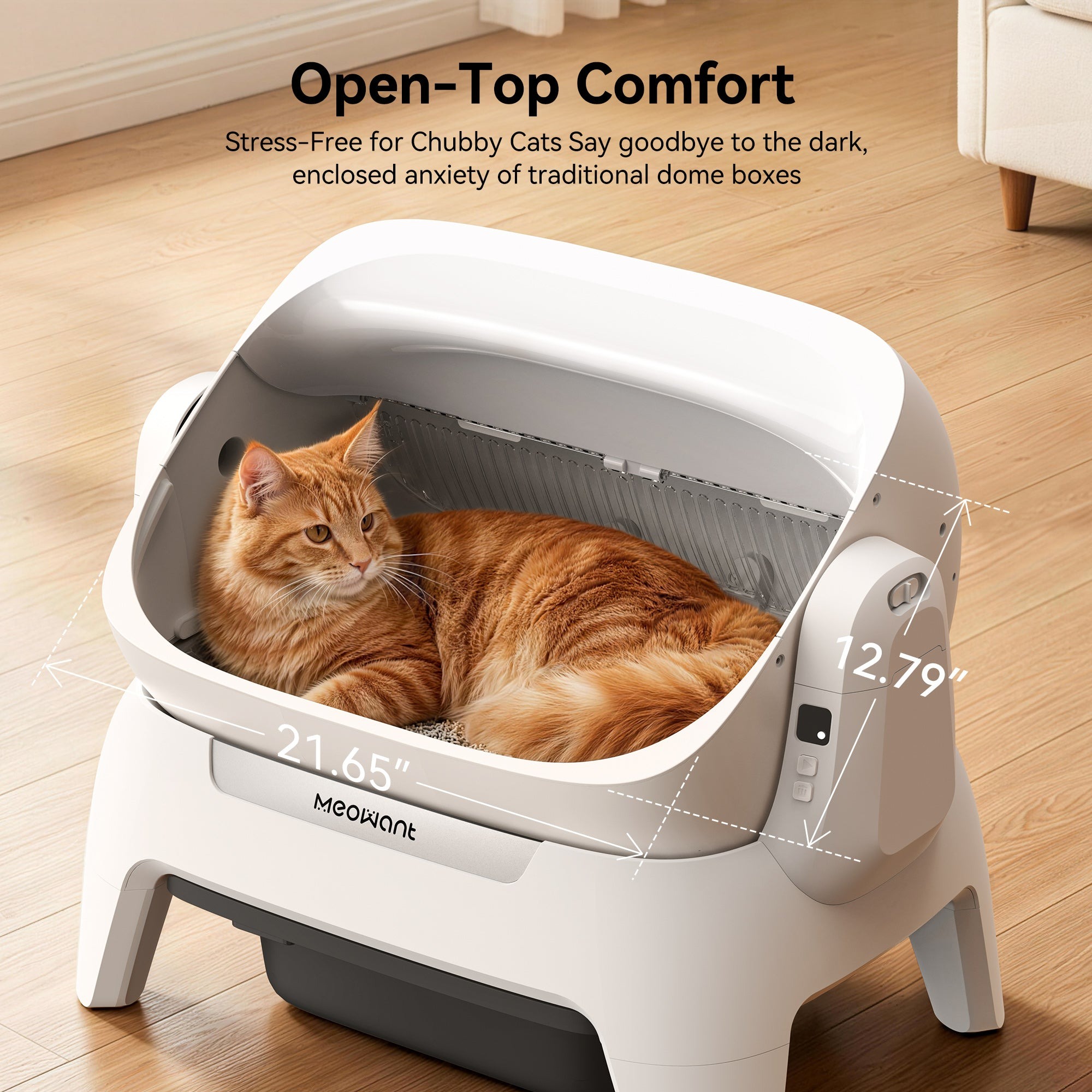
Brands like Meowant design their self-cleaning units around these practical concerns, with open-top comfort and straightforward controls for owners who want reliability over gimmicks. That focus is worth more than a long list of connected features you will check once and forget. A machine that does the basics well beats one that does a dozen things poorly.
Finally, budget for the ongoing cost of filters, liners, and replacement parts. These are small individually but add up over a year, and a model with proprietary consumables can quietly become expensive. Checking the price and availability of consumables before you buy is one of the most practical steps a buyer can take, and it often reveals which machines are built to last versus which are built to sell.
Connectivity: Useful or Noise?
App connectivity is the feature most overvalued in reviews. A notification that the drawer is full is handy, but a status light on the box does the same job without a phone. Where an app earns its place is in tracking how often your cat visits, which can flag a health issue early, or in adjusting cycle timing for a nervous cat. Beyond that, most owners check the app for a week and then never open it again.
If two models are otherwise similar, connectivity can be the tiebreaker. But do not pay a premium for a feature you will not use, and do not let a clever app distract from the fundamentals: safe sensors, a roomy drum, and a drawer that empties easily. The best technology in a self-cleaning box is the technology you never have to think about because it simply works in the background.
What the First Month Really Looks Like
Expect a period of adjustment rather than instant harmony. In week one, your cat may circle the box suspiciously, and you may see a few error lights as you learn the machine’s quirks. By week two, most cats have settled in, and the cycle sound has faded into background noise. By week four, the routine is usually established, and the daily scoop is a memory.
Keep a few supplies on hand during that first month: spare litter, a filter, and the manual. Most early problems are small and fixable, and having what you need prevents a minor hiccup from souring the whole experience. If something genuinely fails, contact support early rather than living with a flaw, because a good manufacturer will help you troubleshoot while the unit is still under warranty.
Buy With Eyes Open
The best self cleaning litter box is not a magic appliance; it is a well-matched tool. Prioritize responsive safety sensors, a roomy drum, a drawer you can empty easily, and a motor quiet enough to live with. Keep your expectations realistic about maintenance, and give your cat a patient, gradual introduction.
Do that, and the machine earns its place by removing the daily scoop and the lingering odor that comes with it. Skip those steps, and even a premium unit will frustrate you. Choose for your household rather than the spec sheet, and the convenience you were promised becomes something you actually experience.

